blog · · 15 min read
Professional Ceramic Coating Near Me: What to Expect
By Matty Ryan, Owner & Ceramic Coating Specialist, GlossBoss
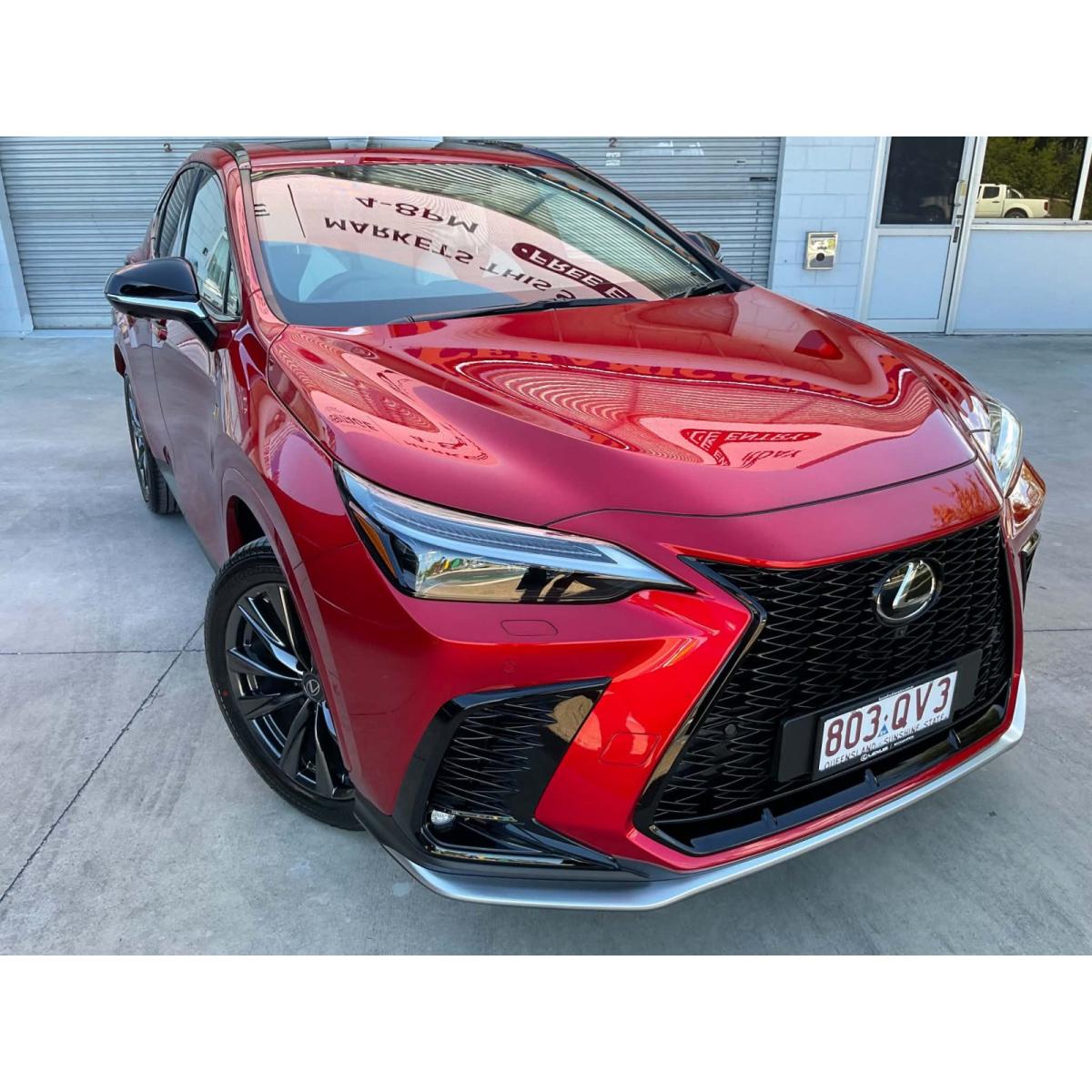
Table of Contents
- What a Professional Ceramic Coating Near Me Should Actually Deliver
- What Professional Ceramic Coating Cost Really Depends On
- Ceramic Coating Preparation and Paint Correction: The Part That Decides the Result
- How Long Does Ceramic Coating Last, and What Shortens It
- Ceramic Coating vs Paint Protection Film: Different Jobs, Different Limits
- Starter, Professional or Enterprise: Matching a Package to Your Car
- How to Compare Ceramic Coating Detailers Before You Book
- Conclusion
- Frequently Asked Questions
Last Updated: October 18, 2026
What a Professional Ceramic Coating Near Me Should Actually Deliver
A professional ceramic coating near me is a semi-permanent protective layer applied to your car's clear coat after proper preparation.
That definition matters because the market is full of vague promises.
For a Tesla, Porsche, BMW M or AMG owner, the stakes are higher.
Below, we'll show what separates a coating worth paying for from a spray-on disappointment, what drives the quote, and how to judge an installer before you hand over the keys.
What Professional Ceramic Coating Cost Really Depends On
Professional ceramic coating cost is not a single number. It moves with paint condition, vehicle size, the level of paint correction required and the durability tier of the coating itself.
The real driver is preparation and correction hours.
Vehicle size matters too. A large SUV or long-wheelbase sedan has more panels, curves and surface to decontaminate, polish and coat, more time in the bay and more product consumed.
At GlossBoss, packages are tiered rather than quoted blind. The Starter Package sits at $900, the Professional Package at $1,600 and the Enterprise Package at $2,000, with the full breakdown on the pricing page.
What Actually Moves the Quote
When you compare quotes, the headline number tells you very little. What matters is what sits inside it. A useful quote breaks into four parts:
- Decontamination and wash. Chemical decontamination, clay bar or mechanical decontamination, and a panel wipe. This should be standard on every quote, not an optional extra.
- Paint correction. The number of machine polishing stages and the inspection lighting used to judge the result. One stage removes light swirls; two or three stages address deeper defects and oxidation.
- Coating application. The product tier, the number of layers, and whether the car is coated indoors in a controlled bay away from dust and direct sun.
If a quote collapses those four into a single figure with no explanation, ask for the breakdown. An installer who cannot itemise preparation and correction is usually cutting one of them.
Why Paint Condition and Vehicle Size Move the Quote
Paint condition is the honest variable. A new car with delivery-kilometre paint usually needs only a light decontamination and a single polish.
Size compounds it. A Tesla Model 3 and a Range Rover do not take the same time to coat, even with identical paint condition.
Ask for the quote to be broken into preparation, correction and coating. That itemisation tells you where the money is going and whether prep is a real step or a line of marketing.
Ceramic Coating Preparation and Paint Correction: The Part That Decides the Result
Paint correction is the machine polishing process that removes swirl marks, light scratches and oxidation from the clear coat before coating. Skip it, and the coating seals in every defect.
The preparation sequence typically runs like this:
- Wash and chemical decontamination to strip old wax, sealants and road grime.
- Clay bar or mechanical decontamination to pull embedded iron and tar from the clear coat.
- Panel wipe with an alcohol-based solution to remove polishing oils so the coating can bond.
- Paint correction under proper inspection lighting, in stages depending on defect severity.
- Final wipe-down and coating application in a controlled bay, away from dust and direct sun.
A common mistake is booking a coating and assuming correction is included. On many quotes it is an extra, and the gap between "coating only" and "coating with a two-stage correction" is where results diverge.
How Long Does Ceramic Coating Last, and What Shortens It
How long does ceramic coating last? A quality coating applied over properly corrected paint typically holds its hydrophobic properties for several years, but the real answer depends on how the car lives. Bottle claims assume ideal conditions most cars never see, and that gap is where owners get disappointed.
The mechanism matters. A ceramic coating is a thin, semi-permanent layer that bonds to the clear coat and provides a sacrificial surface.
What Shortens Coating Life, and Why
- Harsh UV and summer heat. UV breaks down the coating's chemical bonds over time. A car that lives outside in full sun ages its coating faster than one that is garaged.
- Coastal salt air. Salt leaves a film that bonds to the surface and, if left, gradually clogs the coating's hydrophobic layer. Regular washing removes it before it settles in.
- Bird and bat droppings, and tree sap. These are acidic and can etch through a coating and into the clear coat if left for days. The coating buys you time, not immunity.
None of these make a coating pointless. They make maintenance washing non-negotiable. A coated car washed correctly every few weeks will outlast one that is never touched, by a wide margin.
A Practical Maintenance Schedule
A coating is not fit-and-forget. The schedule below is what most practitioners recommend for a daily-driven car in Australian conditions:
- Every two to four weeks: a proper hand wash with a pH-neutral shampoo, two buckets and a clean microfibre mitt, followed by drying with clean microfibre towels.
- Every wash: inspect and remove bird droppings, bat droppings and tree sap immediately. Do not wait for the next wash.
- Every few months: a coating-safe maintenance spray or topper to refresh the hydrophobic layer, particularly on horizontal panels that take the most UV.
- After long highway drives or coastal trips: a rinse and dry to remove salt and bug residue before it bonds.
Warranty and Remedy: What to Ask Before You Book
Durability claims and warranty terms are not the same thing. A coating may be marketed with a multi-year lifespan, but the warranty is what you can rely on if something goes wrong. Before you book, ask:
- What the warranty covers, and what it explicitly excludes. Wear from brush washes, neglect and harsh chemicals is usually excluded, and that is reasonable.
- Whether the warranty requires an annual inspection or maintenance wash to stay valid.
- What the remedy process is if the coating fails to bead or shows premature degradation. Is it a reapplication, a partial refund or a corrective polish?
- Whether the warranty is tied to the original owner or transfers with the car.
A detailer who answers those clearly is telling you how they stand behind their work. One who deflects to "it's a great product" is telling you something too. At GlossBoss, aftercare advice is explained in plain English at handover so you know what the coating will and will not do, and what keeps it performing.
Ceramic Coating vs Paint Protection Film: Different Jobs, Different Limits
Ceramic coating vs paint protection film is not a rivalry. They solve different problems. A ceramic coating adds gloss, chemical resistance and easier washing.
| Feature | Ceramic Coating | Paint Protection Film |
|---|---|---|
| Primary job | Gloss, chemical resistance, easier washing | Physical impact and chip protection |
| Stops stone chips | No | Yes |
| UV protection | Yes | Yes, via the film |
| Visual change | Adds depth and gloss | Clear film, near-invisible |
| Maintenance | Regular hand washing | Hand washing, film-safe products |
| Best for | Overall paint protection and finish | High-impact zones and track use |
The honest limitation of ceramic coating is that it will not stop a rock flicked up by a truck on the highway. If that is your main worry, the front end needs film.
For a Tesla or a daily-driven luxury car, the practical answer is usually a coating across the whole car, with PPF on the bonnet and front bumper if stone chips are a real concern.
Starter, Professional or Enterprise: Matching a Package to Your Car
Choosing a package comes down to paint condition and how long you intend to keep the car. A new car with clean paint does not need the same treatment as a three-year-old daily with swirl marks.
GlossBoss structures its work into three tiers, each detailed on the pricing page:
- Starter Package ($900): suited to newer cars with light preparation needs.
- Professional Package ($1,600): adds more correction work for cars with visible swirl marks or environmental wear.
- Enterprise Package ($2,000): the most thorough preparation and correction for neglected or high-value finishes.
The right choice is the package whose preparation matches your paint, not the most expensive one on the list. Pristine paint does not benefit from heavy correction it does not need, and a car with years of swirl marks will not be rescued by a coating applied over the top.
How to Compare Ceramic Coating Detailers Before You Book
Comparing detailers is mostly about asking the right questions. The product name on the bottle is the least useful thing to compare. Preparation, correction and aftercare advice are where installers separate.
Use this checklist before you book:
- Ask what preparation is included and whether decontamination and panel wipe are standard.
- Ask how many correction stages the quote covers and what lighting is used to inspect the paint.
- Ask whether the car is coated indoors in a controlled bay, away from dust and direct sun.
- Ask what aftercare is recommended and whether a maintenance wash schedule is provided.
A detailer who answers these clearly and without pressure is showing you how they work. One who deflects to "trust us, it's a great product" is telling you something too.
At GlossBoss, the process is built around meticulous preparation and paint correction before any Autotriz coating goes on, with aftercare advice explained in plain English. The about page covers how Matty Ryan approaches the work.
Conclusion
The hardest part of buying a ceramic coating is not choosing a product. It is judging whether the preparation behind it is real. Ask the questions, read the itemised quote and look at before-and-after images of cars like yours.
If you want a coating applied with proper correction and honest aftercare advice, book a coating or detail with Matty at GlossBoss through the contact page.
Frequently Asked Questions
What does a professional ceramic coating cost?
Professional ceramic coating cost depends on vehicle size, paint condition and the package you choose. A car needing full paint correction before coating sits at the higher end because prep is the labour-heavy stage. At GlossBoss, packages run from the Starter at $900 through the Professional at $1,600 to the Enterprise at $2,000, with current details on the pricing page. Ask for a free quote based on your car rather than accepting a flat figure over the phone.
How long does ceramic coating last?
How long ceramic coating lasts depends on the product tier, prep quality and aftercare. Entry-level coatings typically need refreshing sooner, while premium coatings on well-prepared paint hold their hydrophobic behaviour for several years. Parking outside, coastal salt air, harsh UV and infrequent washing all shorten that window. A coating is not permanent, so budget for periodic decontamination washes and an eventual reapplication.
Can ceramic coating remove existing swirl marks and scratches?
No. A coating sits on top of the paint and cannot flatten defects beneath it. Swirl marks and light scratches are removed during ceramic coating preparation and paint correction, where the clear coat is machine polished before any coating is applied. Coating over uncorrected paint locks the defects in. Ask any detailer whether correction is included in the quoted package or billed as extra.
Is ceramic coating better than paint protection film?
They solve different problems. Ceramic coating vs paint protection film comes down to threats: coating adds gloss, UV protection and easier washing but will not stop stone chips, while film absorbs impact from road debris and can sit under a coating. Enthusiasts often run both, film on high-impact panels and coating across the rest. Neither is scratch-proof, and both still need proper washing.
Frequently asked questions
What does a professional ceramic coating cost?
Professional ceramic coating cost depends on vehicle size, paint condition and the package you choose. A car needing full paint correction before coating sits at the higher end because prep is the labour-heavy stage. At GlossBoss, packages run from the Starter at $900 through the Professional at $1,600 to the Enterprise at $2,000, with current details on the pricing page. Ask for a free quote based on your car rather than accepting a flat figure over the phone.
How long does ceramic coating last?
How long ceramic coating lasts depends on the product tier, prep quality and aftercare. Entry-level coatings typically need refreshing sooner, while premium coatings on well-prepared paint hold their hydrophobic behaviour for several years. Parking outside, coastal salt air, harsh UV and infrequent washing all shorten that window. A coating is not permanent, so budget for periodic decontamination washes and an eventual reapplication.
Can ceramic coating remove existing swirl marks and scratches?
No. A coating sits on top of the paint and cannot flatten defects beneath it. Swirl marks and light scratches are removed during ceramic coating preparation and paint correction, where the clear coat is machine polished before any coating is applied. Coating over uncorrected paint locks the defects in. Ask any detailer whether correction is included in the quoted package or billed as extra.
Is ceramic coating better than paint protection film?
They solve different problems. Ceramic coating vs paint protection film comes down to threats: coating adds gloss, UV protection and easier washing but will not stop stone chips, while film absorbs impact from road debris and can sit under a coating. Enthusiasts often run both, film on high-impact panels and coating across the rest. Neither is scratch-proof, and both still need proper washing.
Tags: ceramic coating, professional ceramic coating near me, professional ceramic coating cost, ceramic coating preparation and paint correction, how long does ceramic coating last